⚡
Electrical System
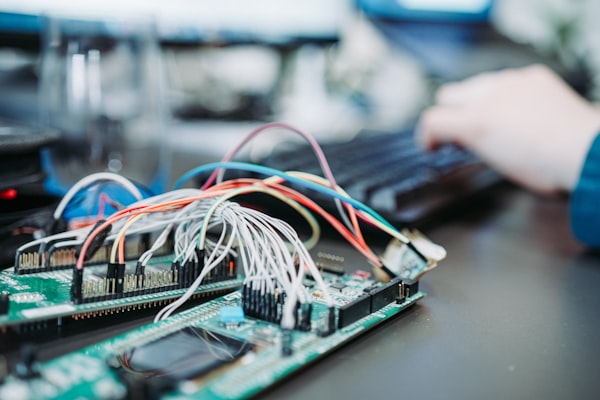
Powers everything in your RV. AC current handles large appliances when hooked up, while DC battery power handles lights and fans off-grid. Solar panels and generators extend your independence.
Learn more →From electricity and plumbing to heating and waste — a clear, jargon-free explanation of every system in your RV, how they interact, and how to keep them running smoothly.
Understanding how RV systems work is essential for anyone new to mobile living. An RV is not just a vehicle — it's a combination of multiple systems working together to provide comfort, convenience, and functionality on the road.
From power and water to heating and appliances, everything must operate smoothly. That's why many beginners explore services like RV repair to better understand how these systems function and how to maintain them properly.
An RV is built with several core systems that function together like a small home on wheels. These include electrical, plumbing, heating and cooling, and waste management systems. If one system fails, it can affect the overall performance of your entire RV.
Explore All Systems →
Each of these six systems plays a specific role in your RV. Understanding what each one does is the first step to confident RV ownership.
Powers everything in your RV. AC current handles large appliances when hooked up, while DC battery power handles lights and fans off-grid. Solar panels and generators extend your independence.
Learn more →
Three separate tanks handle your water: fresh (clean supply), grey (sink/shower waste), and black (toilet waste). A 12V water pump ensures flow when not connected to city water.
Learn more →
Air conditioning for summer heat, furnaces for cold nights, and roof vents for airflow. These systems keep your interior comfortable in any climate and reduce interior moisture buildup.
Learn more →
Propane tanks power your stove, furnace, and refrigerator. Regulators safely control pressure through pipelines to each appliance. Regular leak inspection is essential for safety.
Learn more →
Black and grey water tanks must be emptied at designated dump stations. Proper chemical treatments break down waste, control odors, and keep your system clean between dumps.
Learn more →
Refrigerators, microwaves, water heaters, and entertainment units all rely on your electrical and gas systems. Keeping them maintained ensures efficiency and long service life.
Learn more →The true functionality of an RV comes from how all systems work in harmony. Understanding these connections helps you troubleshoot problems and maintain balance within your RV.
Your 12V DC electrical system powers the water pump, which pressurizes the entire plumbing system — without electricity, no water flows.
Fresh water flows to the kitchen, bathroom, and water heater. Used water drains into grey and black tanks, which need regular emptying.
Propane powers your stove, furnace, and absorption refrigerator. Some appliances can switch between propane and electricity depending on availability.
Everything that goes in eventually comes out. Waste tank monitoring is essential — overfilling a black tank is one of the most common and unpleasant beginner mistakes.
Fail one system and others are impacted. Healthy RV living means monitoring all six systems together, not in isolation.

New RV owners often face problems simply due to lack of system knowledge. Learning how each system works is the best prevention.
Running AC loads on 12V batteries, or leaving lights on overnight, can completely drain your system. Understand your power budget before each trip.
Not monitoring grey and black tank levels is among the messiest mistakes you can make. Check levels daily and plan dump station visits proactively.
Using appliances on the wrong power source, or running too many simultaneously, causes tripped breakers or blown fuses. Know each appliance's requirements.
Fresh water tanks run out faster than expected, especially with showers. Adopt conservation habits and always know your current tank level before leaving camp.

These foundational habits will save you from the most common beginner mistakes and build the confidence to tackle longer trips.
Your manual is the definitive guide to your specific model's systems, capacities, and quirks. No guide replaces it.
Fresh water, grey, and black — make it a morning ritual. Awareness prevents 90% of waste-related incidents.
Park in your driveway and run through every system for a weekend. Learn quirks in a safe environment first.
Install a battery monitor so you always know your state of charge. Low battery kills multiple systems simultaneously.
Gas leaks, electrical faults, and brake issues are not DIY territory. Know when expert help is the right call.



Understanding how RV systems work is essential for anyone new to mobile living. An RV is not just a vehicle — it's a combination of multiple systems working together to provide comfort, convenience, and functionality on the road. From power and water to heating and appliances, everything must operate smoothly. That's why many beginners often explore services like RV repair to better understand how these systems function and how to maintain them properly.
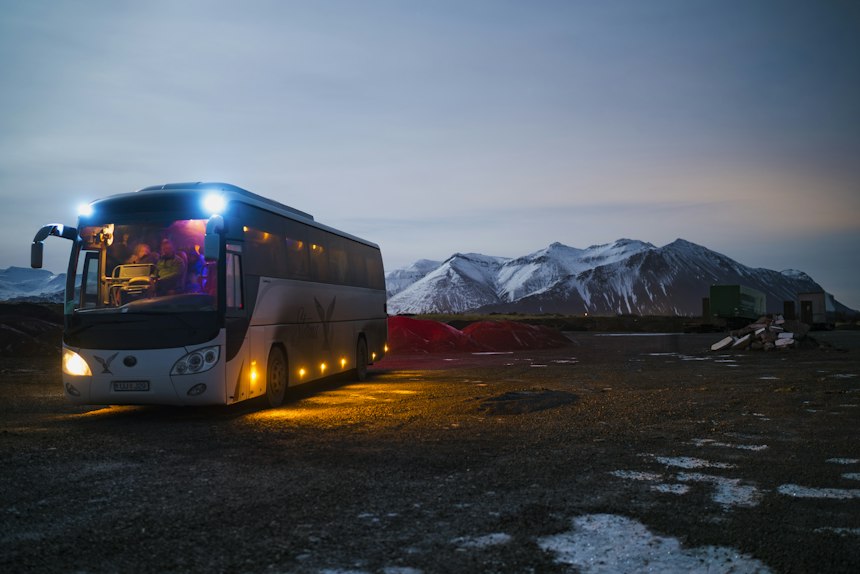
An RV is built with several core systems that function together like a small home on wheels. These include electrical, plumbing, heating and cooling, and waste management systems.
Each system plays a specific role, but they are all interconnected. If one system fails, it can affect the overall performance of your RV. Understanding these basics helps you identify issues early and maintain your vehicle efficiently.
Think of it this way: your RV is like a studio apartment that moves. Everything a fixed home needs — power, water, heat, waste management — your RV also needs, just in compact, mobile form.
The electrical system is one of the most important parts of an RV. It typically includes two types of power: AC (alternating current) and DC (direct current).
AC power is used for larger appliances like air conditioners and microwaves, usually when connected to an external power source. DC power runs on batteries and is used for lights, fans, and smaller devices.
Some RVs also include generators or solar panels to provide power when you're off-grid. Managing your power usage is key to keeping everything running smoothly.
120V alternating current. Powers air conditioners, microwaves, and outlets. Available via shore power hookup or generator.
12V direct current from batteries. Powers lights, fans, water pump, and small electronics. Recharged by solar, generator, or shore power.
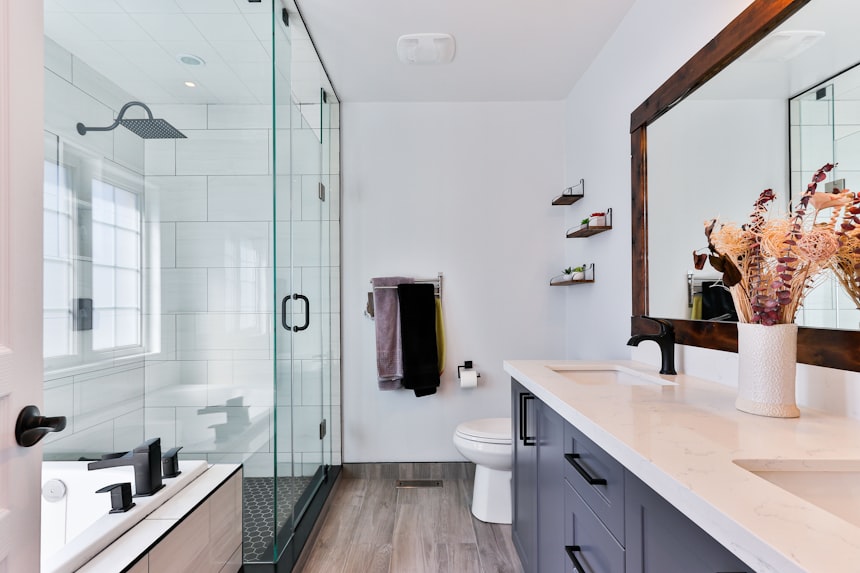
The plumbing system in an RV is designed to handle water supply and waste.
Fresh water tanks store clean water for drinking, cooking, and cleaning. Grey water tanks collect wastewater from sinks and showers, while black water tanks handle toilet waste.
A water pump ensures proper flow when you're not connected to a water source. Understanding how these tanks work helps you manage water usage and avoid overflows.
Fresh Tank — clean water for drinking, cooking, and washing
Grey Tank — collects sink and shower drainage
Black Tank — holds all toilet waste until dumped
Water Pump — pressurises the system off hookup
Comfort inside your RV depends on proper temperature control.
Most RVs are equipped with air conditioning units for cooling and furnaces for heating. Ventilation systems also help regulate airflow and reduce moisture buildup.
Maintaining these systems ensures a comfortable environment regardless of weather conditions.
Moisture tip: Roof vent fans are underrated. Running a vent fan while cooking or showering dramatically reduces condensation and prevents mold buildup inside your walls and ceiling.

Many RVs use propane gas to power appliances like stoves, heaters, and refrigerators.
The gas system includes tanks, regulators, and pipelines that safely deliver fuel where needed. Regular inspection is important to prevent leaks and ensure safety.
Safety critical: Never ignore a gas smell. If you detect propane inside your RV, open all windows, exit immediately, and do not operate any electrical switches before airing out completely. Have your system professionally inspected.
Managing waste is a crucial part of RV living.
Black and grey water tanks must be emptied regularly at designated dumping stations. Proper handling prevents odors, clogs, and sanitation issues.
Using the right chemicals can help break down waste and keep the system clean.
Pro tip: Use the Campendium, iOverlander, or Sanidumps apps to find nearby dump stations before your tanks are full, not after. Planning ahead saves a lot of stress on the road.

RVs come equipped with appliances similar to those in a home, including refrigerators, microwaves, and water heaters.
These appliances rely on the electrical and gas systems to function. Regular maintenance ensures they operate efficiently and last longer.
Microwave, electric water heater, entertainment units, charging ports — need shore power or adequate battery/inverter capacity.
Stove, absorption fridge, furnace — run on LP gas. Many can dual-fuel switch between propane and electric as needed.
The true functionality of an RV comes from how all systems work together.
For example, the electrical system powers the water pump, which supports the plumbing system. The gas system fuels appliances, while the waste system manages output.
Understanding these connections helps you troubleshoot problems and maintain balance within your RV.
Electrical powers the water pump which drives the plumbing
Gas fuels the stove, furnace, and absorption refrigerator
Plumbing system fills the waste tanks over time
Batteries power thermostats, fans, and ignition controls
New RV owners often face issues due to lack of system knowledge.
These can include running out of battery power, overfilling waste tanks, or improper use of appliances. Learning how each system works reduces the chances of these problems.
The most common beginner mistake: treating an RV battery the same as a car battery. Car batteries are designed for short, high-drain starts. RV house batteries are deep-cycle — they're designed to be discharged slowly over many hours. Use them accordingly.

Start by familiarizing yourself with your RV's manual and system layout.
Regularly check tank levels, battery status, and connections. Practice using each system before going on long trips.
Being proactive helps you avoid unexpected issues and ensures a smoother experience.
RV systems may seem complex at first, but once you understand the basics, they become much easier to manage.
Each system plays a vital role in making your RV a comfortable and functional space. Learning how they work together allows you to travel with confidence and independence.
If you're new to RV living, take time to learn and maintain your systems properly. Start with small checks, stay consistent with maintenance, and don't hesitate to seek expert help when needed. A well-maintained RV ensures safe, comfortable, and stress-free adventures wherever you go.
📋 Get the Beginner's Checklist →Get our free beginner's systems guide — a simple, visual breakdown of all 6 RV systems, how to check them, and what to do when things go wrong.